

Teeth Whitening in Kamloops, BC
Patient Special
How Teeth Whitening Works
Professional teeth whitening uses a carefully formulated bleaching agent to penetrate the tooth's surface and break down the stain molecules that have accumulated within the enamel over time. The result is a brighter, more even shade that reflects light the way healthy, youthful teeth do.
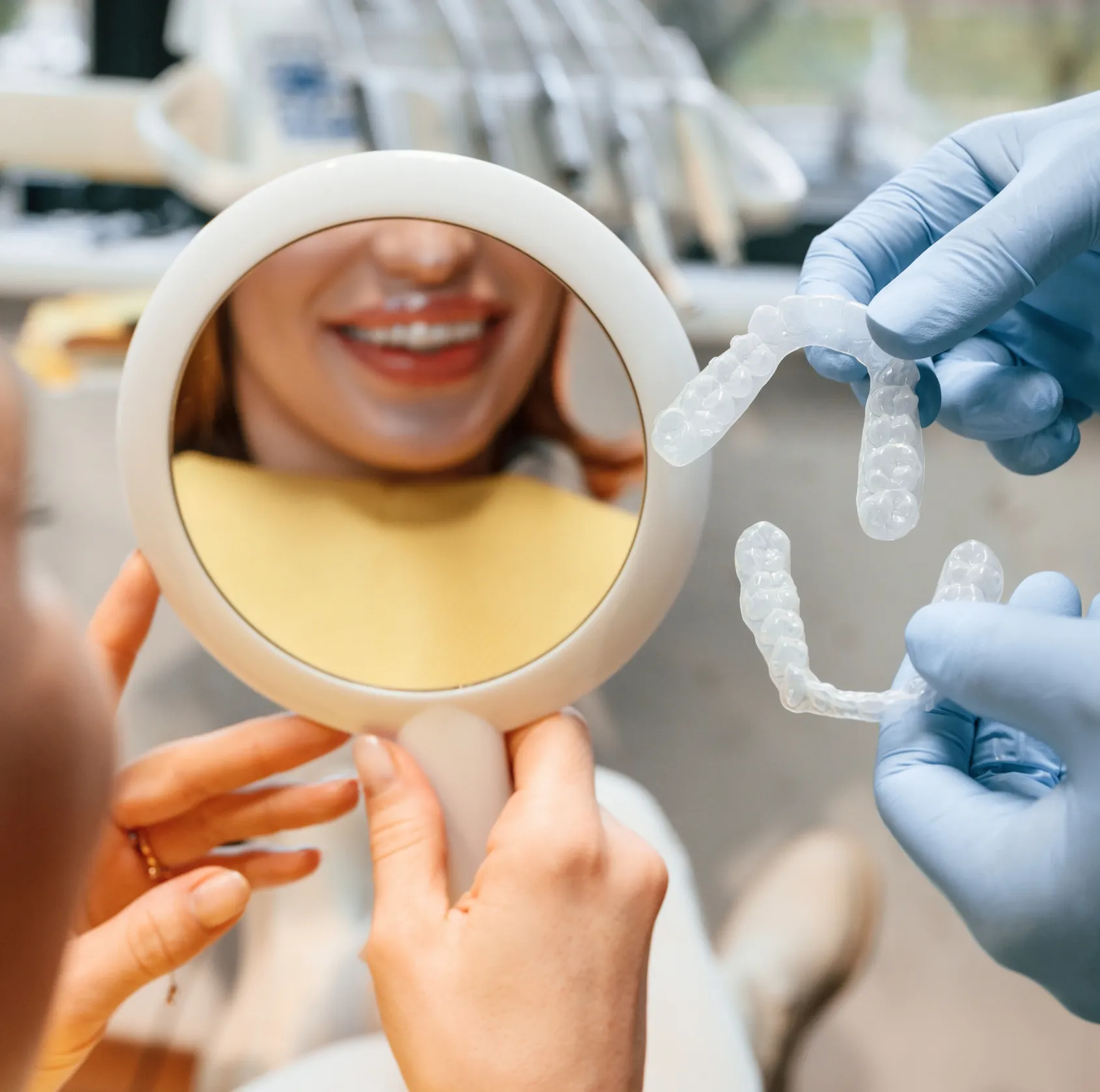
At Smile Dentistry, whitening is available as a whitening trays that are made for home treatment can be combined with your regular hygiene visit. Come in for a cleaning and leave with a noticeably brighter smile — no extra appointment, no extra effort.
Tailored to Your Teeth
Before treatment begins, your doctor assesses your teeth, gums, and existing restorations to ensure whitening is the right approach and to calibrate the treatment to your specific needs. Sensitivity, shade goals, and the nature of your staining are all factored in. The result is a treatment that works with your smile — not against it.

The Right First Step Before Any Cosmetic Work
If veneers, bonding, or other cosmetic treatment is part of your plan, whitening always comes first. Restorations are colour-matched at the time of fabrication and cannot be lightened afterward. Getting your teeth to their brightest natural shade before any cosmetic work begins ensures everything blends seamlessly. Your doctor will advise on the right sequence during your consultation.
Understanding Teeth Stains
Not all discolouration responds to whitening the same way. Understanding the difference helps set realistic expectations for your result.
Extrinsic stains form on the tooth's surface and are the most responsive to professional whitening. They are caused by:
- Coffee, tea, and red wine
- Dark-coloured foods such as berries, tomato sauce, and soy sauce
- Tobacco use
- Surface buildup from inconsistent oral hygiene
Intrinsic stains develop within the tooth structure itself and are more resistant to bleaching agents. Common causes include:
- Certain antibiotics taken during tooth development, such as tetracycline
- Excessive fluoride exposure in childhood
- Trauma to a tooth that has caused internal discolouration
- Natural aging as enamel thins and the darker dentin beneath becomes more visible
Your doctor will assess your staining honestly and tell you exactly what whitening can achieve for your specific situation. Where intrinsic staining is significant, veneers or bonding may be a more effective path to the result you are looking for.

Exceptional Dentistry Begins With Exceptional Doctors
Trained at the Highest Level
The Experience to Handle It All

Dr. Zlatnik

Dr. Hansford

Dr. Kaushal

Dr. Biggins

Dr. Paran



Dentistry That Puts You First
Comfort Is Part of the Treatment
We Handle the Details
Precision, All Under One Roof
You Are Always Welcome Here
Frequently Asked Questions
Is whitening appropriate for teenagers?
Whitening is generally recommended once permanent teeth are fully developed. Your doctor will assess whether treatment is appropriate based on your child's age and dental development.
What should I avoid after whitening?
In the hours immediately following treatment, your enamel is more susceptible to restaining. Avoid coffee, tea, red wine, and heavily pigmented foods during this window. Long-term, consistent oral hygiene and regular cleanings will protect your result.
Does whitening work on all types of staining?
Professional whitening is most effective on extrinsic staining caused by food, drink, and tobacco. Intrinsic staining — from antibiotics, trauma, genetics, or aging — is more resistant. In those cases, veneers or bonding may be recommended as a more effective alternative.
Should I whiten before or after cosmetic work?
Always before. Restorations are colour-matched at fabrication and cannot be lightened afterward. Whitening first ensures your natural teeth and new restorations match seamlessly. Your doctor will confirm the right sequence during your consultation.
Can I whiten my teeth if I have crowns veneers or bonding?
Existing restorations do not respond to whitening and will remain their current shade while your natural teeth lighten. If you have restorations in visible areas, speak with your doctor before whitening — they will advise on the best approach for your specific situation.
How long do whitening results last?
Most patients maintain their results for six months to two years, depending on diet, lifestyle, and oral hygiene habits. Regular professional cleanings and avoiding heavily pigmented foods and drinks will extend your results considerably.
Will whitening cause sensitivity?
Some patients experience temporary sensitivity during or after treatment. This typically resolves within a day or two. If you already experience sensitivity, let your doctor know before your appointment — the protocol can be adjusted accordingly.
Is professional whitening safe?
Yes. Professional whitening is a well-established procedure when performed by a trained dental team. Your gums are protected throughout, the process is monitored carefully, and the treatment is calibrated to minimize sensitivity and produce an even result.
How white will my teeth get?
Results depend on the degree and type of your staining, your natural tooth shade, and how your enamel responds to the whitening agent. Your doctor will give you an honest, personalized assessment before treatment begins so you know what to expect.
Two Locations. One Seamless Experience.
Conveniently located across Kamloops, both practices offer complimentary parking and the same elevated standard of care you deserve.
Valleyview
1967 Trans-Canada Hwy #65
Kamloops, BC V2C 4A4
Lorem ipsum dolor sit amet, consectetur adipiscing elit. Suspendisse varius enim in eros elementum tristique. Duis cursus, mi quis viverra ornare, eros dolor interdum nulla, ut commodo diam libero vitae erat. Aenean faucibus nibh et justo cursus id rutrum lorem imperdiet. Nunc ut sem vitae risus tristique posuere.